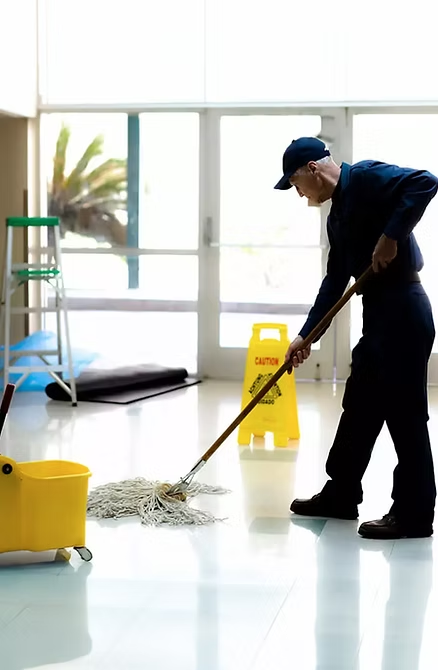
When we think about cleanliness in hospitals and schools, the first image that comes to mind is shiny floors and fresh-smelling air. But here’s the catch: that “clean” smell often comes from volatile organic compounds(VOCs) —hidden chemicals present in many cleaning products. While they may leave a space smelling pleasant, VOCs can actually harm human health and the environment. For sensitive spaces like hospitals and schools, where patients, children, and staff spend long hours every day, VOC-free cleaning is not just a preference—it’s a necessity. These chemicals, commonly found in traditional cleaning agents, paints, and air fresheners, evaporate into the air and directly affect the health of those who breathe them in. For places like hospitals and schools , where people’s health and learning are the top priorities, VOC-based cleaning products can pose significant risks.
Understanding VOCs: The Hidden Pollutants
VOCs are gases that easily evaporate from certain liquids or solids, and in cleaning products, they are often used to dissolve dirt, grease, and germs. Once applied, they release harmful vapors into the indoor environment, sometimes lingering long after the surface looks spotless. Some of the most common VOCs include formaldehyde, benzene, toluene, and acetone. While these compounds may be invisible, their effects are not. Short-term exposure can lead to irritation of the eyes, nose, and throat, as well as headaches and dizziness, while repeated or long-term exposure has been linked to aggravated asthma, allergies, neurological issues, and in some cases, even certain cancers. Children, patients with weakened immune systems, and healthcare workers who spend long hours indoors are particularly vulnerable, making the shift to VOC-free cleaning not just a matter of preference but of necessity.
VOC-Free Cleaning in Hospitals And Schools : Protecting Healing Spaces
Hospitals are meant to be spaces of healing, yet they often contain some of the most chemically saturated indoor environments due to constant disinfection requirements. Patients recovering from surgery or managing chronic illnesses may be especially sensitive to chemical exposure. For them, the air they breathe can be as important as the medicine they receive. VOC-free cleaning in hospitals ensures cleaner air that supports recovery, reduces respiratory distress for patients with asthma or COPD, and protects doctors, nurses, and cleaning staff from long-term chemical exposure. Beyond health benefits, it also helps hospitals comply with green building standards like LEED or WELL certifications, which are increasingly valued in modern healthcare infrastructure. In fact, studies have shown that healthcare workers exposed to VOC-heavy cleaning agents report more respiratory distress compared to those in facilities using greener alternatives, and hospitals that transitioned to VOC-free cleaning noted not only improved air quality but also better staff satisfaction and fewer patient complaints about discomfort.
The need for VOC’s cleaning is just as critical in schools. Children spends six to eight hours in a day in a classroom , breathing the same indoor air , and their developing lungs make them far more valnerable to pollutants than adults.Exposure to VOC’s in schools has been associated with headaches, nausea , asthma attacks and difficulty in concentrating. Clean air by contrast, directly improve focus , memory and overall academic performances. Teachers and staff are equal at risk , spending years – in the same environment . Where daily exposure can lead to chronic health conditions. By adopting VOC – free cleaning products like Zerodor Care Natural Floor Cleaner which protect children and staff from these risk but also create an inclusive and healthier environment for students with asthma , allergies or special needs. Real world examples have shown that this switch reported healither students and teachers proving that healither air translates into better attendance and performance.
The Benefits Of VOC-Free Cleaning products
The benefits of VOC-free cleaning go beyond human health. Traditional cleaning chemicals often contain compounds that don’t break down easily, finding their way into waterways and contributing to environmental pollution. VOC-free cleaning products, on the other hand, are typically formulated with biodegradable, eco-friendly ingredients that are gentler on soil and water systems. This shift contributes to broader sustainability goals, reducing both indoor air pollution and environmental harm. For hospitals and schools, institutions already seen as pillars of public trust, adopting greener cleaning practices also enhances reputation. Parents, patients, and communities notice when leaders take proactive steps to protect both people and the planet, and this trust can be invaluable.
Why VOC-Free Matters In Hospitals:
Respiratory relief: Patients with asthma, bronchitis, or COPD are at high risk of aggravated symptoms when exposed to VOCs.
Faster recovery: Clean indoor air supports healing, while chemical-laden air may slow progress.
Staff safety: Doctors, nurses, and cleaning staff are exposed to cleaning chemicals daily. Reducing VOC exposure protects their long-term health.
Regulatory compliance: Many green building and healthcare standards (such as LEED, WELL, or Green Guide for Health Care) encourage or require low-VOC practices.
Real-world impact:
A study published in the Journal of Occupational and Environmental Medicine found that healthcare workers exposed to VOC-heavy cleaning agents reported more cases of respiratory distress compared to those in facilities using green, VOC-free alternatives. Hospitals that made the switch also reported improved staff satisfaction and fewer patient complaints about air quality.
VOC-Free Cleaning in Schools: Safeguarding Young Minds
Schools are more than classrooms—they’re second homes for children. But with thousands of students and staff under one roof, maintaining cleanliness is a daily challenge.
Why VOC-free matters in schools:
Children’s health: Kids breathe more air relative to their body weight than adults, making them more vulnerable to indoor pollutants. VOCs can trigger headaches, nausea, and asthma attacks.
Cognitive performance: Poor air quality directly affects concentration, memory, and academic performance. Cleaner air helps students stay focused.
Teacher well-being: Teachers and staff spend years in the same environment. Exposure to VOCs over decades can lead to chronic health issues.
Inclusive learning environment: Schools must accommodate children with asthma, allergies, or special needs—VOC-free cleaning makes this easier.
Beyond Health: The Environmental Advantage
VOC’s free cleaning is not only safer for people -its better for the planet . Many traditional cleaning chemicals don’t break down easily , entering waterways and contributing to pollution
By choosing eco-certified, VOC -free alternative:
Indoor air stays claner ,reducing relince on artificial ventilation
Water pollution decreases , since natural , biodegradable ingredients are used
Carbon footprint lowers , as many VOC free products are manufactured sustainably.
This aligns with global sustainability and the growing demand for eco-friendly institutions.
How Zerodor Helps In VOC Reduction
Zerodor is built on the belief that sanitation should not come at the cost of human health or the environment . Traditional cleaning and sanitation products often contain VOC’s ( volatile organic compounds) chemicals that evaporate into the air and causes indoor air pollution, allergies, and long term health risk. Our solutions are designed to eliminate VOC exposure while ensuring effective cleaning and hygiene. Zerodor the waterless urinals system by Ekam Eco Solution helps in VOC’s (Volatile organic compound ) reduction mainly by eliminating the need for chemical based cleaning agents , deodorizers and flush systems that are common in traditional urinals
Here’s How It Contributes:
1) No Need For Chemical Deodorizers
Traditional urinals often used air freshners , urinal cakes to surppress odor.
These products release VOC’s into the air which degrade indoor air quality and can cause headaches , nausea, respiratory irritation and other health issues
Zerodor uses a mechanical trap that prevents odor from escaping , making such chemical unneccesary.
2) Reduced Use Of Cleaning
Conventional urinal use of harsh chemical cleaning agents
These cleaners emit VOCs and also impact the environment when flushed into sewage systems.
Zerodor requires milder, eco-friendly cleaning practices, drastically reducing VOC emissions.
3) Improved Indoor Air Quality
By avoiding VOC-based products, Zerodor ensures that restroom air remains cleaner and healthier.
This is particularly important in schools, hospitals, and offices where exposure to VOCs can affect vulnerable groups like children, patients, and elderly people.
4) Sustainable Sanitation Practices
Zerodor aligns with green building and sustainable sanitation principles.
Lower VOC emissions contribute to meeting indoor air quality standards (such as LEED or IGBC guidelines), making spaces safer for users.
In short: Zerodor reduces VOCs by eliminating the dependency on chemical deodorizers and harsh cleaners, while providing odor-free sanitation through its waterless and mechanical seal technology