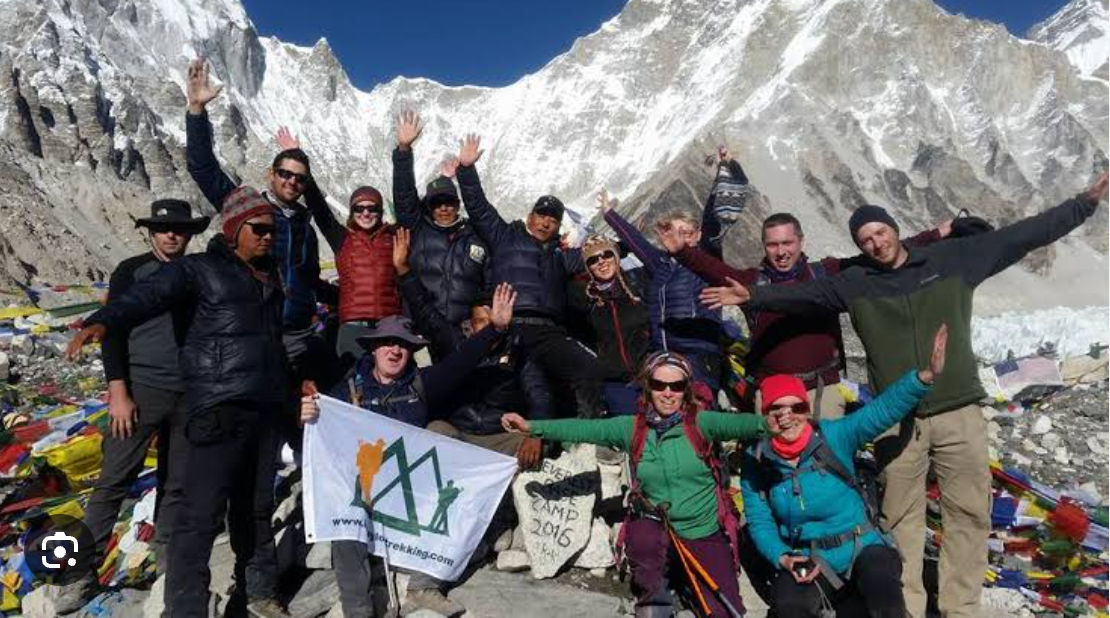
Everest Base Camp Trek This one requires lots of planning and some fitness and should only be undertaken with seasoned professionals. Every year hundreds of thousands of adventure lovers come to Nepal to do one of the world-famous trekking brands. While the natural beauty of the Himalayas attracts many to Everest Base Camp, it is a tremendous effort. Expert guides will explain that trekkers can come to terms with the problem that lies ahead and ensure that every aspect/step of the trip is meticulously planned. Still true, SO WELL planned improves safety, but at a minimum, you can do the adventure with a probably slight deduction in confidence.
In Shape for Trekking
One of the most important parts of preparing for the EBC Trek is to get fit a long time before your trip. Days of solid, full-on Walking over Rocks, climbs, and high altitudes with me out in the Valley digging it up front To get fit, experts recommend doing things like hiking the very next day or jogging and cycling as well as swimming to add cardiovascular endurance along with leg muscle / core strength exercises. Letting your body adjust and adapt over weeks makes long days in the mountains a breeze when you finally hit the trail in Nepal.
Right Everest Base Camp Trek Package
Another vital area of your entire preparation is to pick some good, the best, Everest Base Camp Trek packages. The best trekking agencies in Nepal provide you a fully structured itinerary that includes all permits, lodges, meals, transportation to the trailhead, and experienced Sherpa guides & porters.
You can compare packages and select whichever one has the features you want, need, and are able to afford in terms of cash flow. Good operators also provide helpful pre-departure information to trekkers and make it easier for you to mount your preparations for an unforgettable Himalayan adventure with confidence, without causing any further hiccups because of travel.
Learn About Altitude and Acclimatization
One of the massive challenges during your Everest Base Camp trek is that you are trained on data as far as acclimatization preparation for the altitude. As the trail goes above 5,000 meters, you have to acclimatize to a lower oxygen level. The itinerary for an Everest Base Camp trek contains acclimatization days built in by its expert leaders in order to stave off altitude sickness. The common symptoms of altitude sickness and listening to your guide (drink more water, eat something, and slow down the pace you should be walking) help a lot with completing this trek of Everest alive.
Pack the Right Trekking Equipment
Packing the right items is another important part of preparation for trekking in Nepal. Wear warm clothes, which are adequate and excellent for temperature variation since weather conditions in the Everest region could change without notice. Expert guides recommend this for the journey ahead — it’s called layering. Pack your bags with a good pair of trekking shoes and a warm jacket as well as thermal wear and gloves so that you do not feel tired while ascending the hills; durable bags with back support will help. Knowing that you will experience less discomfort while getting ready for the unpredictable weather of the Himalayas with the right gear.
Prepare Essential Travel Documents
Before commencing the Everest Base Camp Trek, make sure that you have organized all travel documents to be ready for use. At this juncture, you have your passport, travel insurance, and preferred trekking permits along with flight tickets and identification documents. Welcome to trekking companies with experience that will assist travelers with arrangements and briefly state the documentation required before service. – In Nepal! Just in case: a copy, both digitally and printed, gives you extra security when traveling. Proper organization saves you time in between and helps you to stay laser focused on your summit push.
Follow Nutritional and Hydration Guidelines
Your body will be requiring nutrition and hydration (both during the preparation period as well as on the trek itself). Since the body is working hard to perform at high altitudes, those meals must be balanced. Holiday treks: For your trek, expert guides are advising trekkers to stay hydrated but not drink alcohol throughout the Christmas holidays—especially if you’re acclimatizing. Being well hydrated helps to acclimatize better to elevation and stay energized on long walking days. However, good food when you step into the plane means greater endurance on it.
Guidance on Decoding the Everest Base Camp Itinerary
Reading the Everest Base Camp itinerary in advance helps to prepare for better expectations about daily walking distances, accommodations, and acclimatization schedules. Expert guides, an included 10% gratuity, and more ways for you to do the walk—like all the days at once, with or without your stuff—but also breaks in between. Moreover, the elaborated itinerary helps trekkers to mentally prepare for the expedition and reduce surprise during the journey. Guests knowing the way can also be able to experience and appreciate the walk in slow motion, surrounded by glorious scenery of the Himalayas till Everest Base Camp.
Prepare Mentally for the Adventure
The server that delivered the recipe data is NOT a human, so this does not look like something you wrote physically Training (When preparing for the Everest Base Camp trek, trekkers should know the following: Mental conditioning is as important, even!! The trek requires patience, which means hours of walking on both ends of hills through a transforming weather from sunny into a shady, moist forest floor. Guides often tell trekkers to be as positive as you can and go for progress, not speed. Knowing what is realistic and adjustable on the journey will help you to enjoy that journey a lot more. A favorable outlook will end up being one of your biggest resources during trouble patches in the Everest journey.
Rely on the experience of Sherpa gurus
Professional sherpa guides provide an invaluable experience & knowledge on every Everest Base Camp trek. Their exceptional knowledge of mountain weather patterns, trail conditions, altitude management & local customs creates the perfect getaway for safety and is highly appreciated. Guides also fill the role of head babysitter to every trekker along the way, slowing their own pace if needs be and providing commonsense tips. They not only assist travelers in overcoming surprises from unplanned knick-knacks but also allow a connecting engagement with the local communities. Thus, a dependable trekking company having proficient Sherpa guides will delightfully take your journey in the Himalayas to a different level.
Prepare for Lukla Flight Conditions
Almost all Everest Base Camp Trek itineraries include the iconic Lukla flight—but this includes a weather dependency. Plan for time in your travel itinerary to allow for possible flight delays. Weather forecasts are carefully monitored, and plans are made if and when possible based on local knowledge given by expert guides and experienced trekking operators. Unplanned changes to transportation schedules result in a reduced pressure for the adjustability of observational platforms. Introducing this aspect of trekking in Nepal better readies the traveler to have an attitude of patience and fewer expectations from day one.
Hiking with a reliable trekking agency
The Everest Base Camp Trek will be one of the best trekking experiences you would want to make in life, so your first wise consideration is to go for a trustworthy trekking company. Professional operators offer trained guides, extensive logistics, and preparation for emergencies along with good accommodations and effective communication throughout the tour! They will help you ahead of time from when you enter Nepal until the healthful accomplishment of your trek. Trusted planners take care of the minutiae professionally so you can live with the confidence to explore The Himalaya Epic!
Prepare For Your Everest Base Camp Trek
Packing your bag is only a small step in your preparation for the Everest Base Camp Trek. Well-maintained physical fitness, knowledge of altitude, selection of reliable Everest Base Camp trek packages, proper documentation & the instructions shared by experienced guides ensure a happy trek. With a little forethought, the trip is significantly safer, simpler, and more enjoyable, enabling easy access (almost guaranteed) to Everest Base Camp while soaking up appreciation of views from the Himalayas. As long as you get the best of a Sherpa guide and trekking company for you, it can turn into a fun, memory-making trip for life.